Episode 44: How Employee Volunteering Transforms Companies and Communities
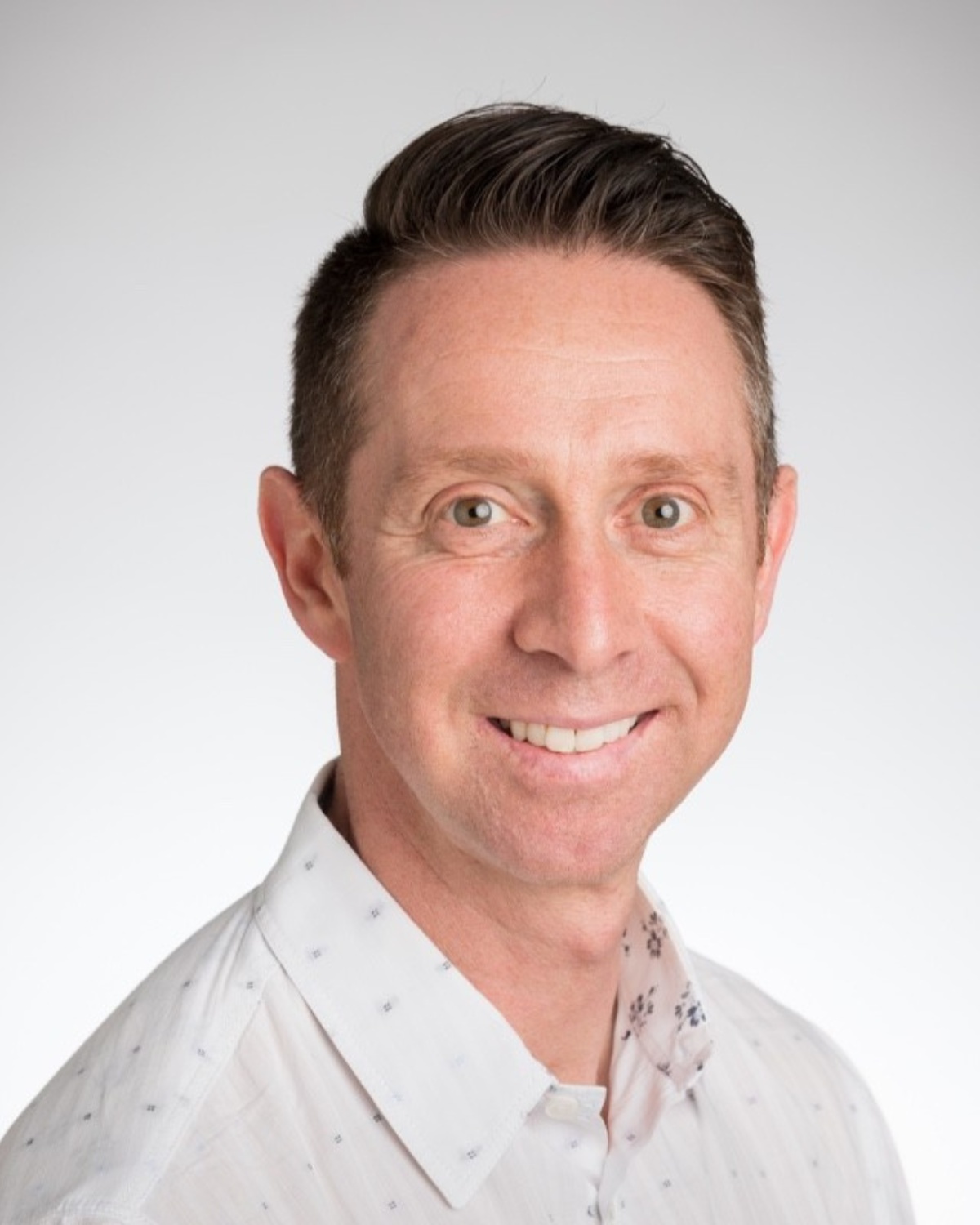
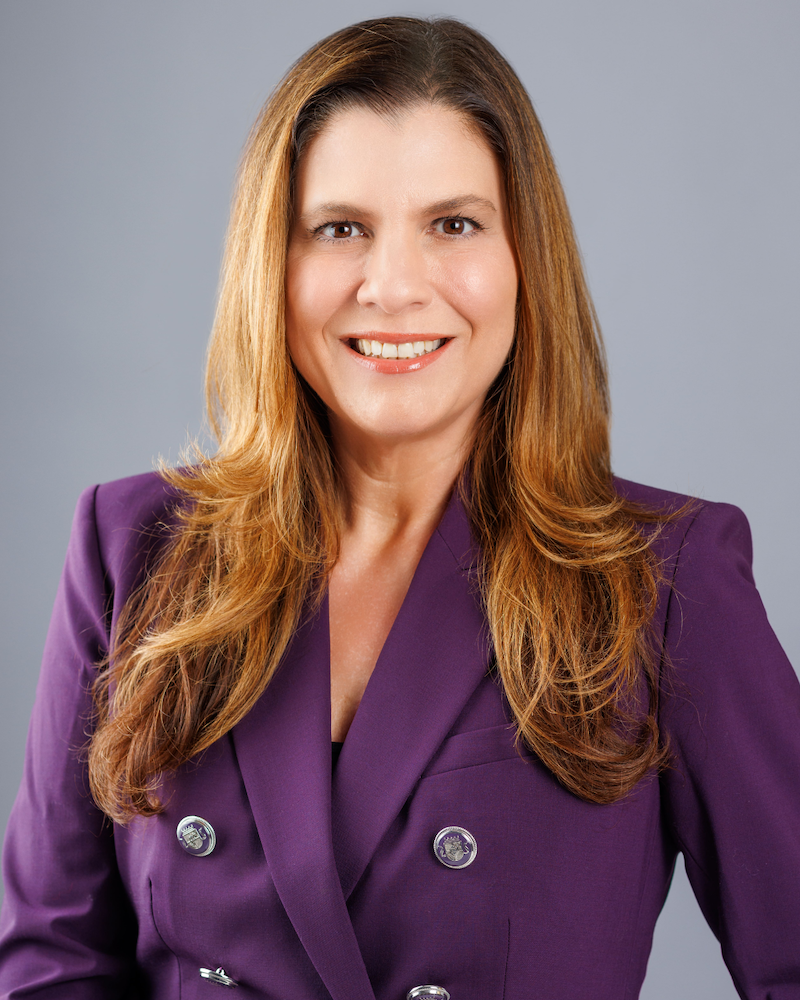
Hosted by Aaron Burnett with Special Guest Erika Bigelow
In this episode of the Digital Clinic, Aaron Burnett sits down with Erika Bigelow, founder of Do Good Today and Wheelhouse alum, to explore the transformative power of corporate volunteering.
Erika shares how her experience coordinating Wheelhouse’s Generosity Day, a tradition Aaron started in 2014 with fewer than 10 employees, inspired her to build a business helping companies create and manage their own volunteer programs.
Together, Aaron and Erika unpack what makes corporate volunteering truly work, including how to match teams with causes they actually care about, why logistics matter more than most people expect, and what happens when employees step outside their comfort zones to help others in need.
They also dig into the ripple effects of getting it right, including stronger team bonds, improved employee retention, better mental health, and a company culture that people are proud to be part of.
Whether you’re thinking about launching a volunteer program or looking to make your existing one more meaningful, this episode is packed with practical insight and genuine inspiration.
Listen & Subscribe:




Introducing Erika Bigelow and Do Good Today
Erika Bigelow: When you are in these volunteer situations, you’re often doing things that you don’t normally do. It provides some vulnerability for everybody, where you can find something that you do and think, “Oh, whoops, I did that wrong.” And you can laugh about it, and it really does form a closeness.
This type of work, this type of volunteering, increases longevity for the company and for their employees. Employees like to stick around with a company that is concerned about their community and wants to give back to their community. That’s something that a lot of employees look for, appreciate, and can brag about in their own spheres. And so that is one thing, plus the camaraderie that they build with their own teammates, that makes for a much happier work environment.
Aaron Burnett: That’s Erika Bigelow, founder of Do Good Today, and Wheelhouse Alum.
Generosity is a core value for Wheelhouse, and at Wheelhouse we operationalize our values to make them habits. Part of the way we’ve operationalized generosity was by establishing Generosity Day, a day of volunteering and giving once every quarter. We started in 2014 with fewer than 10 employees. It was easy to plan then, but as we grew, it became much more complicated and much more difficult to manage. That’s where Erika saved us. For years, as a Wheelhouse employee, Erika coordinated our Generosity Days, surveying employees to identify the causes they cared about, reaching out to dozens of organizations to find matches between our availability and their needs, directly managing the day, and then providing a detailed report on all of it: what each group did, what we saw, what we learned, and what it meant to us.
Erika left Wheelhouse a few years ago, but she still manages our Generosity Days. She’s seen firsthand how powerful and meaningful generosity in action can be, and how much work it took to pull it off. She’s turned that experience into Do Good Today, a business that works with companies to establish and manage their own employee volunteer programs, including handling everything from finding the right nonprofit match to coordinating logistics on both sides, so nothing gets in the way of the work itself.
In today’s conversation, Erika shares how she thinks about matching companies with causes that actually resonate, why the logistics of doing this well are more involved than most people expect, and what it means for a company and its people when the work they do together extends beyond the office. You really won’t want to miss this episode of The Digital Clinic.
A Message from the Sponsor
Aaron Burnett: This podcast is sponsored by Wheelhouse Digital Marketing Group. Wheelhouse provides exceptional performance marketing for healthcare and medical device manufacturers. Every Wheelhouse client saw record performance in 2025, even after implementing HIPAA-compliant data solutions.
Find out more at wheelhousedmg.com.
Erika’s Path From Wheelhouse to Do Good Today
Aaron Burnett: Tell me about your business.
Erika Bigelow: So Do Good Today is a corporate volunteer program. I work with companies that are interested in engaging in their communities and helping people who are in the community that need things. Those things can range from working at food banks, working at shelters, or topics like the environment, there are options out there, nonprofits that work doing trail clearing or removing invasive plants and things like that. You can work at animal shelters if that’s an interest, but it’s really about getting the match between a company and a nonprofit organization and finding that match so that they can help a community that’s in need.
Aaron Burnett: You facilitate volunteerism?
Erika Bigelow: Yes.
Aaron Burnett: On behalf of companies?
Erika Bigelow: Yes.
Aaron Burnett: What’s the origin of your company?
Erika Bigelow: So, my former employer, Wheelhouse Digital Marketing Group, actually, Aaron, you were the founder of this idea. You and your company had this idea to take your employees out for a day every quarter on a generosity day. You wanted them to do something out of their norm, get out there, really help in the community, and give back as a company to the community in which you were in. When I started working for you and took over helping plan that day, it evolved. It really evolved as the company grew, because the needs changed. You couldn’t do it in a single day, and you couldn’t do one group, because most nonprofits can’t handle that level of engagement. From that, this idea was born, to be able to take this great, unique idea and do this for other companies, because I think a lot of companies out there really want to be able to do this. They love the idea of it, but they don’t have the time. They don’t have the wherewithal to be able to plan it, orchestrate it, and make it happen. It takes some know-how. It takes a little skill. It takes a lot of patience.
Aaron Burnett: Yeah.
Erika Bigelow: And so, to have somebody else who has experience with that, to do that for you and make it a seamless experience for both the employees and for the nonprofit, it’s really invaluable for a company.
When Good Intentions Meet Logistical Reality
Aaron Burnett: It takes a lot of skill, a lot of organization, and a lot of patience, not just with the organizations, but with the employees as well. You’re absolutely right that what we started began as something quite simple. When we were small and there were maybe 10 of us, we could go visit an organization and that would be helpful and kind to them. But then when we were 40, it turns out showing up with 40 people at one small organization was not helpful. And so, we had to fragment into teams. We also did that because it turns out that part of the benefit of generosity, of charitable giving, of acts of service, is that when you give those acts of service to a cause you actually care about, it’s much more beneficial and resonant for an employee than if a CEO just says, today we’re going to United.
Erika Bigelow: Exactly. And that’s one part of this now, what I like to do, and what we did at Wheelhouse, and what I like to do with other organizations, is to find out what does their company value? What are the goals that they have for a day like this, or a volunteer event like this? A lot of times what that will look like is taking a poll, figuring out what interests the team members, because you’re right, when they are interested in the topic, in the people that they are helping or the organization that they’re helping, they’re really more bought in and more enthusiastic, and it resonates longer. So, we’ll find out maybe the top three types of organizations they might like to help with. Then I will go find those organizations and find out: does the timing work for them? Is there a special project that they might have on top of their normal day-to-day activities? Can they even handle a group coming in of six to eight people, or would they prefer three to four people? Then it’s just really a matter of finessing everything until it fits the company, the employees, and the organization.
Aaron Burnett: There is so much more logistically to this than is self-evident when you say we should go out and volunteer. I would say emphatically that we can only continue to do this because you continue to help us. You’ve helped us around Seattle, and then most recently you helped us in Charleston as well, when we took everyone in the company to Charleston. Do you help folks just in the Northwest, or like us, will you help companies around the country?
Erika Bigelow: No, I can help anywhere, actually. And it’s really fun for me to get to help in places that I haven’t necessarily been to or worked with nonprofits in before, because there are a lot of similarities in working with nonprofits. It’s about identifying them, building a relationship with these organizations, the nuts and bolts of it remain the same. So, it’s a lot about really good communication and making sure that the people on the ground at the nonprofit know who’s coming and what their skills are and what they’re going to bring with them. And for the people who are going, understanding where they’re going and what they need, the simple things like what they need to wear and bring, and what the goal is for that day. Understanding the goal all around for everybody is key. Once that happens, it’s a little bit magical, because all of that work up front will make the day very seamless. And that’s my goal too, to make sure that once the whole day is over, it has been successful across the board.
That’s the part I really like about this the best, is when people are reflecting back on what they did and who they helped. And when the organization is reflecting back on the group that came. I love hearing those stories, because you can hear the pride in their voice or in what they write. You can see how much that affected them. They go away and they talk about it. They’re going to tell their friends and their family. Maybe they’re going to post about it on social media. My hope is that this spreads, this whole act of volunteering, this act of being generous, like you had called it initially: Generosity Day. It’s catching. There is a lot of need out there in the world, and if you can inspire other people to do this similar thing, then that’s great. It chips away a little bit at what need there is.
How Do Good Today Works
Aaron Burnett: Talk me through the process. I know what you do for us, what does it mean for a new client to engage with you, and what do you need from them? What sort of lead time? And then ultimately, what is the result? I know that people show up and they’re able to volunteer, but I also know that you do quite a lot afterward to provide a summary and all sorts of assets for the company that’s sponsoring these employees.
Erika Bigelow: Yeah, so it first starts with just a conversation. I like to hear from the company what they’re looking to do and what their goal is. From there, I would work with somebody on their team to get a headcount, give them a survey, and figure out what they’re interested in. Then I’ll go away, develop a list of possible places, and they get to select which group they want to be with, usually, unless the company has some other ideas. We’ll let them self-assign, because I think that makes it a more important event for them. Once they’ve self-assigned and we form these groups, I will start communicating directly with the employees. I’ll let them know if there are any waivers that need to be filled out, what they need to bring to the event, and get them directions and the distance from their hotel if this is a remote event. I’ll make sure their transportation is set up so they can get there and don’t have to worry about those types of things, so they can focus instead on what it is they’re going to be doing that day.
So, if they’re preparing a meal at a shelter, maybe they need to have food brought or delivered with them, and so we’ll coordinate that in advance and make sure they understand what the nonprofit is expecting. For the nonprofit side, I communicate with them just as much, just to make sure that they know the names of the people who are coming, that they have a contact person in case there’s a hiccup in the morning, because sometimes there are hiccups. And that’s the other thing that’s interesting about this role: you’re working on real problems in real time, and we know those don’t always go as smoothly as you’d like. Setting expectations about what to do in case there’s a hiccup is something I address as well.
I’ve found that the groups I’ve worked with have been really able to roll with it in the moment and come up with solutions, “here, this is what we’re going to do instead,” and sometimes those have made for more satisfying outings for them as well.
After the event, I will check in with the groups and get their reflections. I always ask the groups to take pictures while they’re there or ask the organization, sometimes the organizations take their own pictures and they’ll get them to me. I’ll compile everything and give the company a full report. We’ll talk about how many hours and how many people were volunteering, added up across how many organizations. We’ll talk about the quotes I got from those nonprofit organizations and what I heard back from the employees as well. This is all really great material that the company can take and use in their recruiting, their year-end report, on social media, they can use it however they want.
These events are so great because they really are an opportunity for team bonding. There are lots of fun team bonding things you can do, of course, that are social, you can go ax throwing, you can go bowling, you can do Christmas parties. This is an opportunity that’s also team bonding, even though it’s a slightly different type. Sometimes in these groups that are going out volunteering, they’re people who don’t normally work together, but they work for the same company. That’s really special because you’re expanding your network within your own organization. Maybe you get to know somebody you didn’t work with before, who’s in engineering, and you’re in marketing, and now you know each other, and you can say hi in the hallways.
And when you are in these volunteer situations, you’re often doing things that you don’t normally do. It provides some vulnerability for everybody, where you can find something that you do where you think, “oh, whoops, I did that wrong,” and you can laugh about it. And it really does form a closeness.
So, this is nice because for the company, this type of volunteering increases longevity for the company and their employees. Employees like to stick around with a company that is concerned about their community and wants to give back to their community. And that’s something that I think a lot of employees look for, appreciate, and can brag about in their own spheres. That is one thing, plus the camaraderie that they build with their own teammates, which makes for a much happier work environment as well. These are all great, positive things.
Aaron Burnett: And when you combine those people who come from different departments, different skill sets, different walks of life, you also unite them around a common interest that they maybe didn’t know they had, a common mission, a cause that they cared about, which helps to ascribe meaning to their relationship that didn’t maybe exist before.
Erika Bigelow: Yeah, absolutely.
The Deeper Value of Showing Up
Aaron Burnett: You’ve worked with us supporting Generosity Days for years. I was trying to estimate the number of organizations that we’ve worked with. I think we’re probably approaching 80.
Erika Bigelow: I think that’s probably about right. We’ve done a lot of repeats in there too, because it’s been such a great experience with those organizations. And there’s always ongoing need for the same things, but it’s been really fun. One of the things I’ve enjoyed doing is sending out the signup to the team.
Aaron Burnett: It’s a very competitive signup process, by the way. People know when it’s coming, and they’ll clear their calendar, including me, by the way.
Erika Bigelow: Yeah, so they can hop on there, because it is first come, first served. They know it’s coming and they’re very excited. When you throw in some unusual ones on there, they’re like, “oh my gosh, this is going to be really cool.”
Aaron Burnett: Yeah.
Erika Bigelow: And it is, it’s really cool. They all are. And having an opportunity to debrief afterward, which you’ve always done for the company, has been amazing, because then the other groups get to hear about organizations they aren’t familiar with and get to hear what their counterparts did for their day when they were out doing something unusual. I think it’s just such a good, feel-good moment for everybody. It was such a great experience for the organizations as well, because they now have a project that’s done. Maybe they had an entire entryway reconfigured and repainted, with wallpaper put up and shelving put in, and now this is a space that is usable, which was not usable before, or maybe was dismal and depressing, but now it’s very positive and uplifting for their clientele. The impact that makes long term for the people that they’re helping.
Aaron Burnett: One of the byproducts, I think, of working in a white-collar capacity is that the impact of the work that you do is removed, and you’re almost always in the position of being the expert in any given meeting. That’s certainly the case in our company. We’re hired by companies to be their digital marketing experts, and this is such an inversion of that paradigm. We go into these contexts where we are not the expert. We know nothing about what needs to be done, or the life experiences of the people we’re helping. And so, there’s a built-in humility, which you mentioned, and also through the process, you just learn, of greater capacity for grace as well.
Erika Bigelow: Yes, absolutely. And it’s good to sit in uncertainty sometimes, and really not know exactly where everything is, or whether it’s okay for you to do certain things in the space, and how you should really talk to somebody to make sure that you are helping them and not interfering with them. And you realize it’s okay to be there. You don’t have to be the one in charge.
Aaron Burnett: Yeah.
Erika Bigelow: And you’re going to learn a lot by sitting back and observing, sometimes more. And opening your eyes to: how can I be helpful in this particular moment? What does this person need? And I also think it really helps your creativity too, because you don’t have the tools around you that you’re used to having necessarily. So now something might need to be fixed or put back together, and you may not have what you need to do it, but you’re going to get it done.
Aaron Burnett: Exactly.
Erika Bigelow: And that’s great too, because I think it really makes you feel powerful, it makes you feel helpful, and you want to see the other person delight in what it is that you’ve done.
Aaron Burnett: I think it’s also quite powerful in a context, certainly today, where you can feel impotent to affect change or do any good in the world or help anyone else. It’s very powerful to do that and see the people you’re helping and understand the impact of your work with some immediacy as well. There’s a gift that comes to the person who’s being generous as well.
Erika Bigelow: Sometimes you can work away on something for a long time in your regular job, and it may be such a long-term project that you can’t see the forest for the trees. But when you go someplace and you’re there for three hours and you’re painting a wall, or you are removing invasive plants, and you do this and you see this swath that you attacked at the beginning is now done at the end of that period of time, and that’s going to make a big difference for salmon, for instance, or orcas, because now the water is going to run down this hill properly and it’s not going to pollute the watershed, or that wall that is painted, now this room can be moved in with couches and can be a space for people to relax in an environment where maybe they aren’t inside very much, and they need that inside space. And it’s just really satisfying, and you can feel good about that.
Aaron Burnett: There are, I think, magic moments that occur every once in a while, as we’re doing this. As we’ve gotten bigger, it’s become more difficult to always be working in a context where you are in contact with the people you are helping. That was the initial goal. When we were 10, that was a lot easier. It’s harder when you get bigger, but every once in a while, that does happen. I can think back on one year where a team of us went into a shelter for women who had escaped abusive relationships. We cleaned their primary living area and their kitchen and we decorated for Christmas. Then people came home, saw what we had done, and we happened to be there. Seeing the reaction, and also the reaction at how beautiful it was versus how it looked before, but also that someone had cared to come in and do that for them, is something that I won’t forget. And that same paradigm has played out lots of times, and I hear the same from other people as well. So, I do think the magic of helping people face to face is incredible.
Erika Bigelow: It really is, and I try to do that as much as possible, to set the teams up with organizations where they’re not necessarily getting an immediate reaction, but there are enough people there who know the before and know the after that they’re going to understand that what they did was really important. And all of this is really important. There are a lot of little things, and we forget about it sometimes, that sometimes it’s the littlest things that are the most important. It’s that idea that, yeah, there are people out there that care. This is how we know, because here they are, and they’re fulfilling these little things, so I don’t have to worry and figure it out and do it all by myself, there’s a team of people here trying to help.
The Value of Do Good Today
Aaron Burnett: We’ve worked with you for years, when you were an employee here, and then as you left and built this business. We benefit from the fact that we’ve worked with you for years, so there is a shorthand around what we’re about and what we’re trying to do. And so, each time we’re doing this again, there’s no explaining again. It’s more efficient. It gets better every time. I would assume that you have similar relationships with other clients, that you’re working with them over time and building a program with them.
Erika Bigelow: My goal is to help companies understand that this is an easy process, and that it’s so worthwhile, for the company, for the organization, for the employee, and for everybody, that it’s worth doing repeatedly. Ideally, doing it a couple of times a year is great, and doing it more is even better. It’s easy to make happen, actually, because there are a lot of organizations that need help. And even if it’s not the one you helped the last time, there’s going to be something similar out there. If food and housing insecurity is an issue that’s interesting to you, there are a lot of organizations that work with that. If it’s the environment, if it’s animals, if it’s immigration, there are going to be organizations that need help everywhere. Finding those spaces and understanding the process for creating that team day, after I walk you through it the first time, it becomes easier the second, and easier the third. And pretty soon it’s like, when can we do this again?
Aaron Burnett: How do you stand out from other organizations that provide similar services? First of all, can I ask, are there organizations that provide similar services?
Erika Bigelow: There probably are organizations that do this, but I don’t know of them. I knew of a couple in the past that I don’t believe are around any longer. And there are plenty of websites where you can go on and say, “how do I volunteer?” or “where do I volunteer?” and it’ll come up with a very large list that you have to weed through. I think the best thing about working with a company like mine is that I do all of that weeding for you. I’ll go through, I’ll find the really good matches for what your team wants and what your company values, and then I’ll make sure that everybody’s on the same page, so that I know the name of the person you’re going to be meeting at that organization, they know your names and who to expect, and that I have prepared you for the things you’ll be doing once you arrive there.
Because I think if you can take that mystery away, there are a lot of people out there who want to volunteer but don’t, and they don’t do it because they’re nervous about it. They don’t want to do it by themselves. They are uncertain about how to do their scheduling, or whether it’s going to be scary when they get there, or whatever. They’re just nervous about it. And so, this takes away all of that, because now you’re going with a team. You know who is going to be on the other end. You know what it is you’re going to be doing. And even though you may still be a little bit nervous, because it’s a new environment, and maybe you’re going to be in a warehouse, or in a dilapidated building, or working at a homeless shelter, or making meals, or just something you’ve never done before, you have people to do it with, and you have information ahead of time so that you can be as prepared as you can be for the experience. I do that legwork, I communicate really well, and I make sure that everybody is on the same page. I think that’s valuable.
The Challenges of Working With Nonprofits
Aaron Burnett: Oh, I think it’s incredibly valuable, that’s a bit of an understatement. You do the legwork, and there’s a tremendous amount of legwork involved just in coordination. But you also know the right questions to ask and what information to provide us so that we’re very well prepared. And that is not self-evident when you first start doing this. The impulse to work with an organization is great. Figuring out how to do it logistically and going through the trial and error a few times to figure out what you needed to know before you showed up so that things went better for everybody, takes some repetitions.
Erika Bigelow: It does. And the thing about nonprofits, and there are lots of nonprofits, is that most of them are operating on a shoestring budget. Most of them are understaffed.
Aaron Burnett: Yeah. That’s really important. So, they don’t have people to coordinate with you?
Erika Bigelow: No. And it is very often the case that in between my initial planning stages and the actual event, the person that I am working with stops working there. And they don’t necessarily communicate that with me. Something that I have learned as I’ve done this is: if things go dark on their end for a little while, then I better dig around and figure out another way to reach the people that I need to reach there. Because it’s likely that they just have a lot on their plate. They’re ground level, working with the populations that they’re working with, and they’re scrambling to make sure that those populations have what they need. They really just can’t think about these company volunteers, they need those people, but they can’t think about organizing them. They need me to be able to facilitate that and make sure I find the next person there who is excited about us coming, but just didn’t know how to get in touch, or didn’t know who to follow up with, or didn’t even know that the other person is no longer there. There are just a lot of unknowns sometimes. The consistency of communication is really key to the whole thing.
The Benefits of Volunteering for Employees and Companies
Aaron Burnett: Why is volunteering important? Why is it beneficial for companies and for employees?
Erika Bigelow: So, there’s a lot of research out there about volunteering and how important it is. It actually improves your mental health. Also, for the ESG alignment for companies and for individuals, that also has a lot of benefits.
Aaron Burnett: ESG alignment, tell me what that is.
Erika Bigelow: So, the environmental, social, and governance factors that play into companies, how they operate, what they’re interested in, what they’re looking for, and as well for the employees who are doing this. ESG is an area that a lot of employees coming into a company look to, to make sure that this company acts on their beliefs and values. And it’s interesting, when I’m working with new companies, to actually dig in and look at their values and what they have written down in their mission statements and where their focus is. And sometimes, if the companies have grown a lot or they’ve changed over the years, it’s always a great exercise for them too to look back at those, because you don’t always review, and you’re like, “oh yeah, I remember that, that was a focus that we really want to look toward.”
The positive energy that you get from actually getting out there, trying something new, helping somebody, there’s just this surge of endorphins that goes with it; that can be long lasting. A lot of studies have shown that a boost in your mental health comes hand in hand with it. So, these are all good reasons, and like we talked about, there’s a lot of need out there in the world and a lot of different areas in which you can help. You can really match just about anybody’s interests with an organization that has that as their mission.
Aaron Burnett: Yeah. I’ve heard it said, and it’s certainly been my experience, that if you’re not feeling great, one of the surest ways to feel better is to go out and find somebody to help.
Erika Bigelow: This is what I tell my kids to do, actually, all the time. I’m like, you can wallow for a short while, but then you really need to go help somebody.
Aaron Burnett: That’s right.
Erika Bigelow: Because it does, it really provides a shift in perspective.
Aaron Burnett: Yeah.
Erika Bigelow: And it makes you realize not only are you capable, helpful, useful, and everything, but that you can do good in your small corner of the world. Just a very simple thing, and that simple thing that you’ve done has changed somebody else’s day or their life. That’s powerful.
Aaron Burnett: Yeah. I agree. You have agency in the world.
Erika Bigelow: Yes, agency. Yeah.
How to Get Connected With Erika
Aaron Burnett: If people want to reach you and work with you. How do they find you?
Erika Bigelow: They can find me online at do-good-today.com. I have a website there. They can also reach me by email, which is publicanlee@yahoo.com.
Aaron Burnett: Thank you for talking with me.
Erika Bigelow: Absolutely.
Aaron Burnett: This has been great and thank you for working with us.
Erika Bigelow: Yeah.
Aaron Burnett: It’s been amazing. You’re so fantastic.
Erika Bigelow: I hope so. I’m very happy to do it.
Aaron Burnett: I’m looking forward to many more years to come.
Erika Bigelow: Absolutely.
Sponsored by Wheelhouse DMG